Materials
Limewash, briefly
By Noah Lindqvist · 14 September 2026 · 3 min read
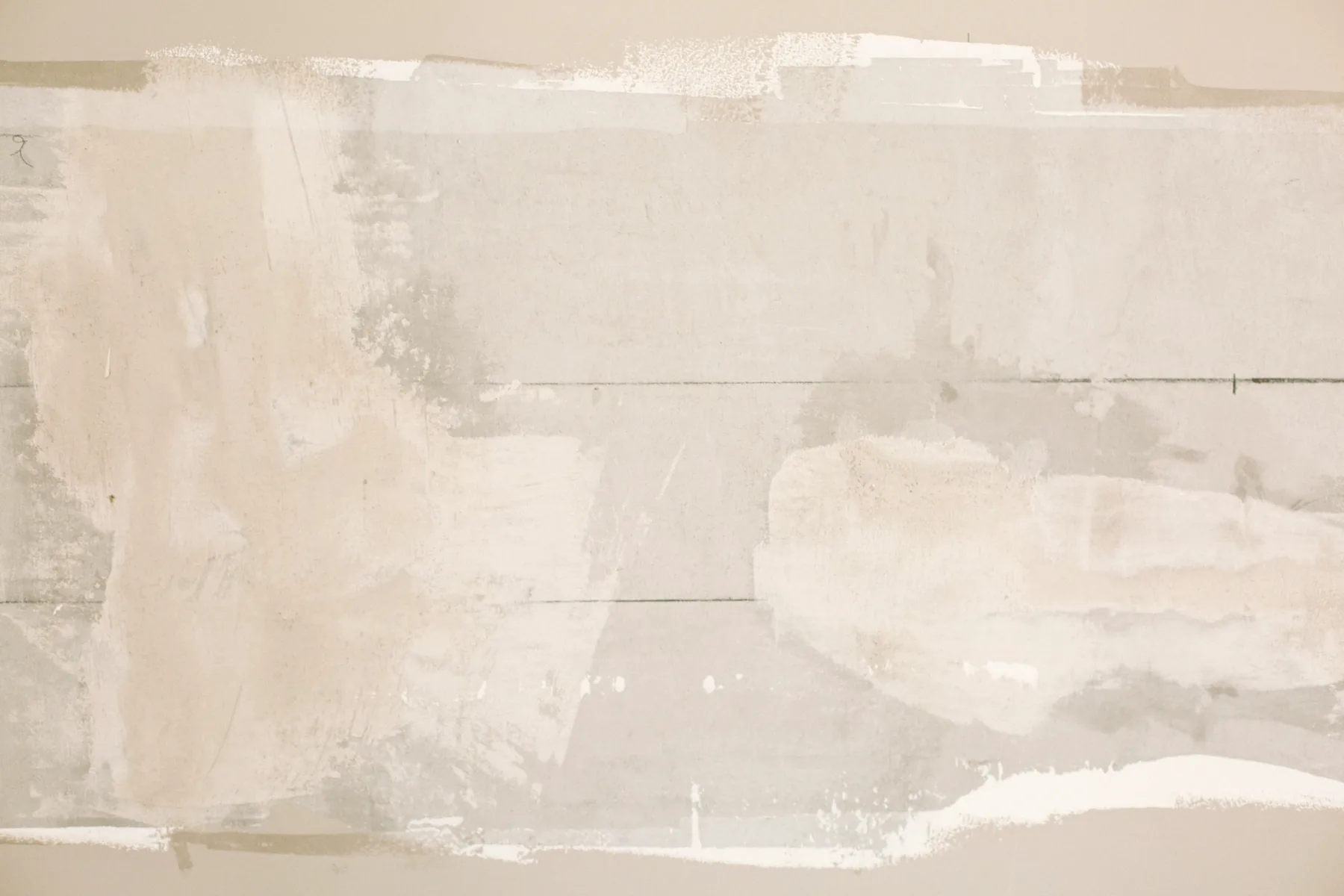
Limewash is lime putty, water and pigment. You brush it on in thin coats, and over a few weeks it takes carbon dioxide from the air and turns back into limestone.
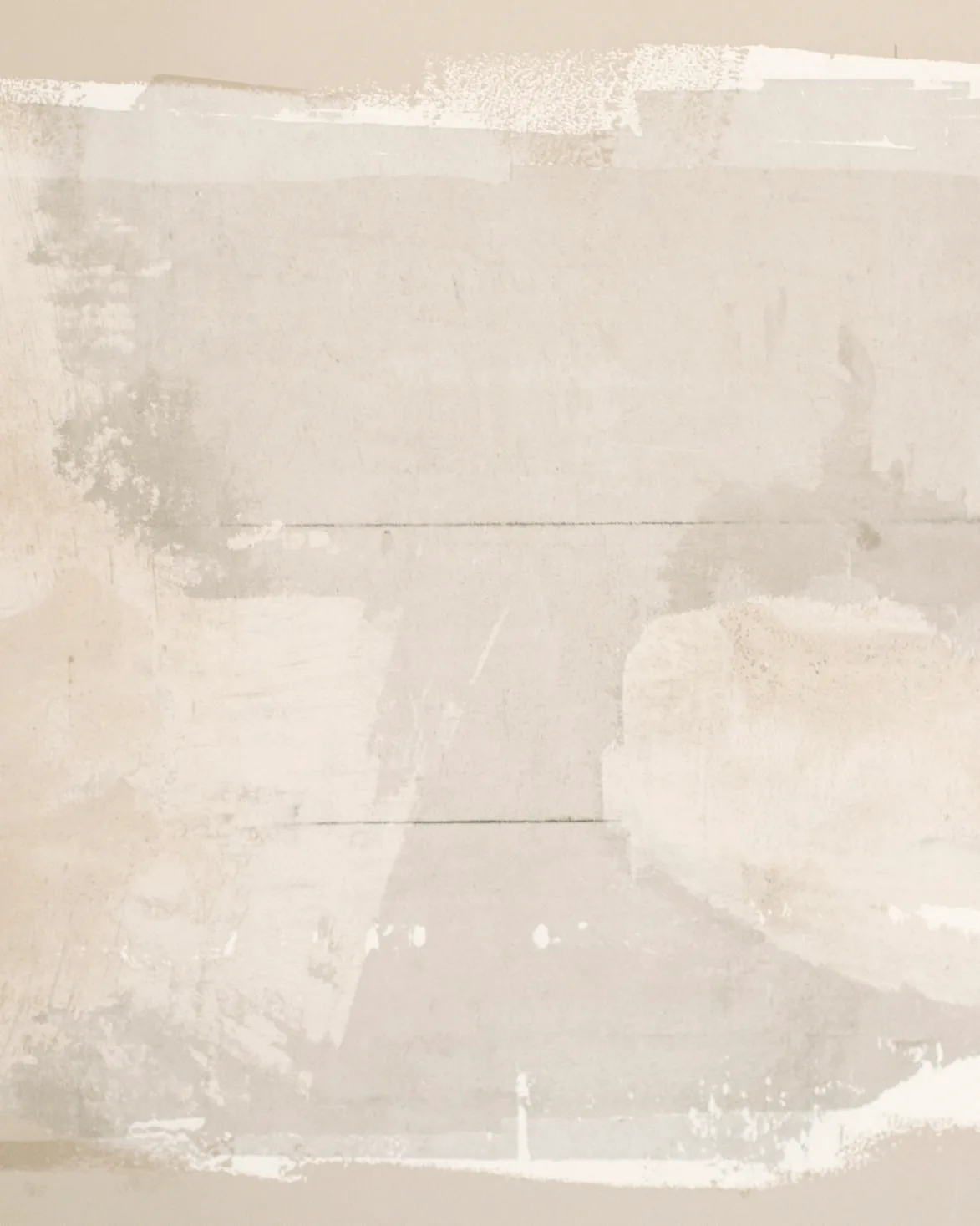
Paint sits on a wall like a skin. Limewash soaks in, so the pigment ends up at slightly different depths, which is why the wall looks cloudy and changes through the day.
What it needs
It grips porous surfaces: lime plaster, render, brick, stone. On drywall we first put on a mineral primer with fine sand in it, which gives a more even finish. If the wall has ever had acrylic paint on it, that has to be stripped or primed, or the limewash will flake.

Living with it
It is breathable, so it does not trap moisture, and it is alkaline, which mould dislikes. Both help on the coast. It is not scrubbable. Wipe it with a damp cloth, and touch up from the same batch, because lime tints vary from one mix to the next.
What it costs
More than paint, because it takes two or three coats and a plasterer who has done it before. A living room wall of about four metres by three takes us a day and a half, with drying time between coats. We usually limewash the walls people look at, the living room and the stair hall, and leave the rest in good matte paint.